Underground Geothermal Heat Exchange
Ground Loop Drilling for Colorado Geothermal Systems
Discuss the underground requirements of your geothermal project. Get a Free Estimate
Underground Geothermal Heat Exchange
Discuss the underground requirements of your geothermal project. Get a Free Estimate
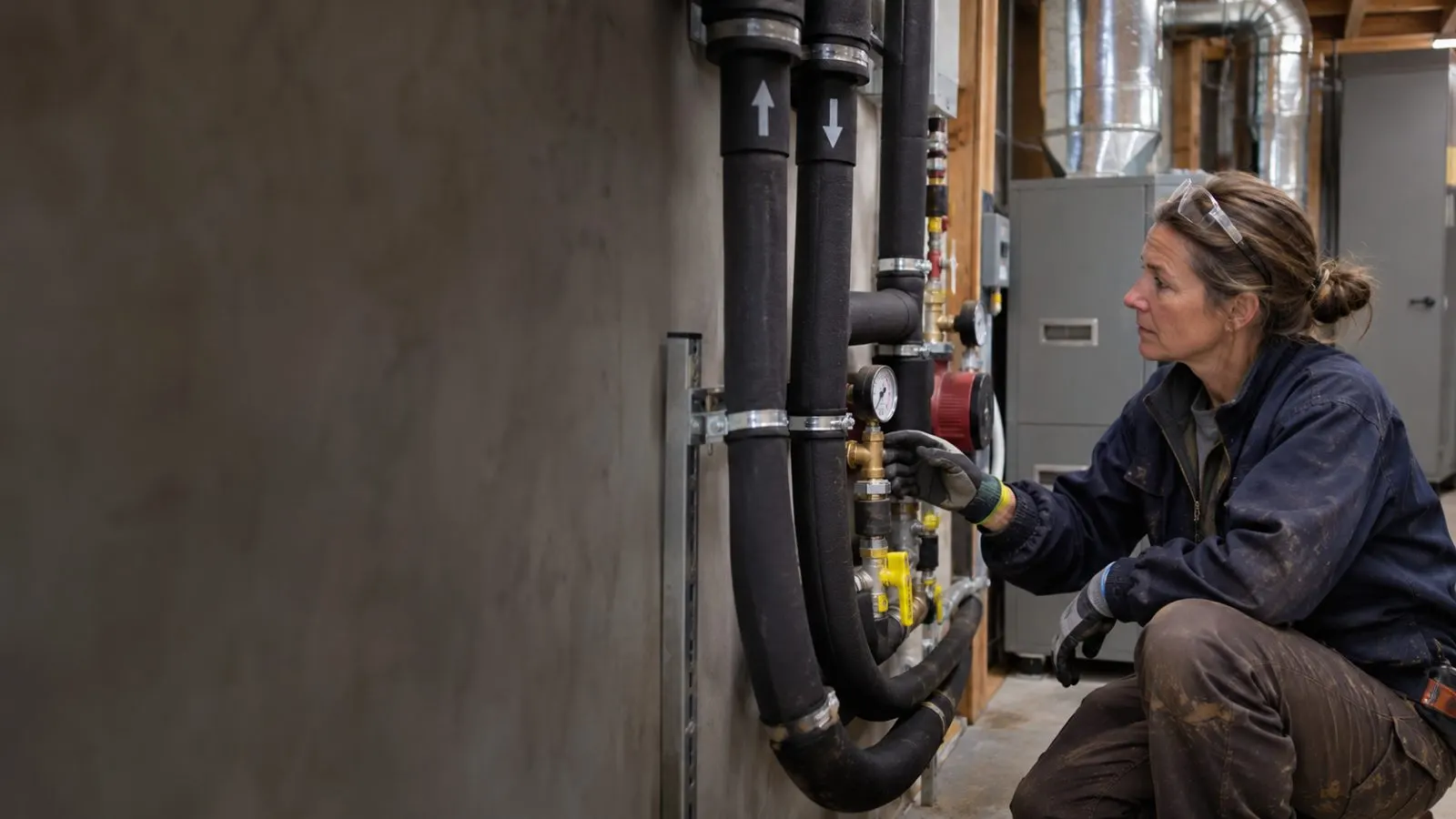
Ground loop drilling makes it possible to install geothermal heat exchange piping below the surface without using the broad trench areas associated with some horizontal designs. Vertical systems commonly use boreholes containing engineered piping that circulates heat transfer fluid between the ground and the building.
The suitability of drilling depends on far more than available yard space. Rock formations, subsurface conditions, access for drilling equipment, required borehole depth, underground utilities, and applicable rules must all be considered. Across Colorado Springs and surrounding communities, geological variation makes a property-specific assessment especially important.
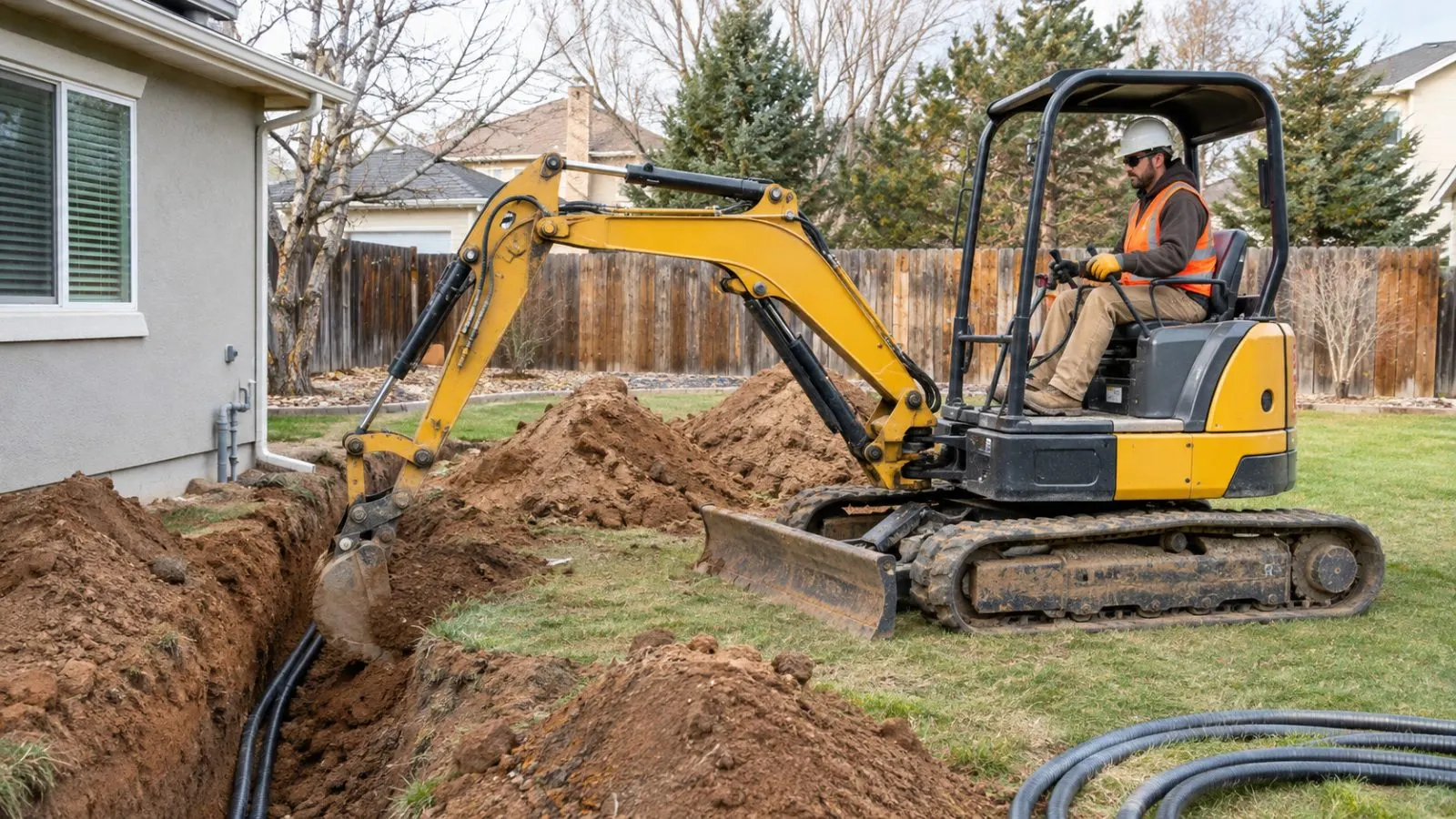
Vertical ground loop installation is specialized work. The borefield must be engineered for the building's thermal requirements and installed according to applicable standards and local requirements.
The number, depth, spacing, and arrangement of boreholes depend on building loads and ground thermal characteristics. These decisions require appropriate engineering rather than assumptions based on lot size.
Ground conditions may influence drilling methods, borehole stability, heat transfer performance, and installation complexity. Available geological information and any needed site investigation help inform the design.
Drilling equipment requires sufficient access and a workable area. Fences, slopes, overhead obstacles, underground services, and existing landscaping can limit where boreholes are practical.
Piping placement, approved borehole backfill or grout, and connections must follow the design and applicable requirements. Correct installation supports heat transfer and helps protect subsurface conditions.
The loop system should be tested and verified before final connection and operation. System flushing, fluid preparation, circulation, and commissioning also form part of the overall geothermal installation.
We emphasize sound design and verified site information before discussing a drilling approach.
We help explain the access, utility, and property considerations that must be resolved.
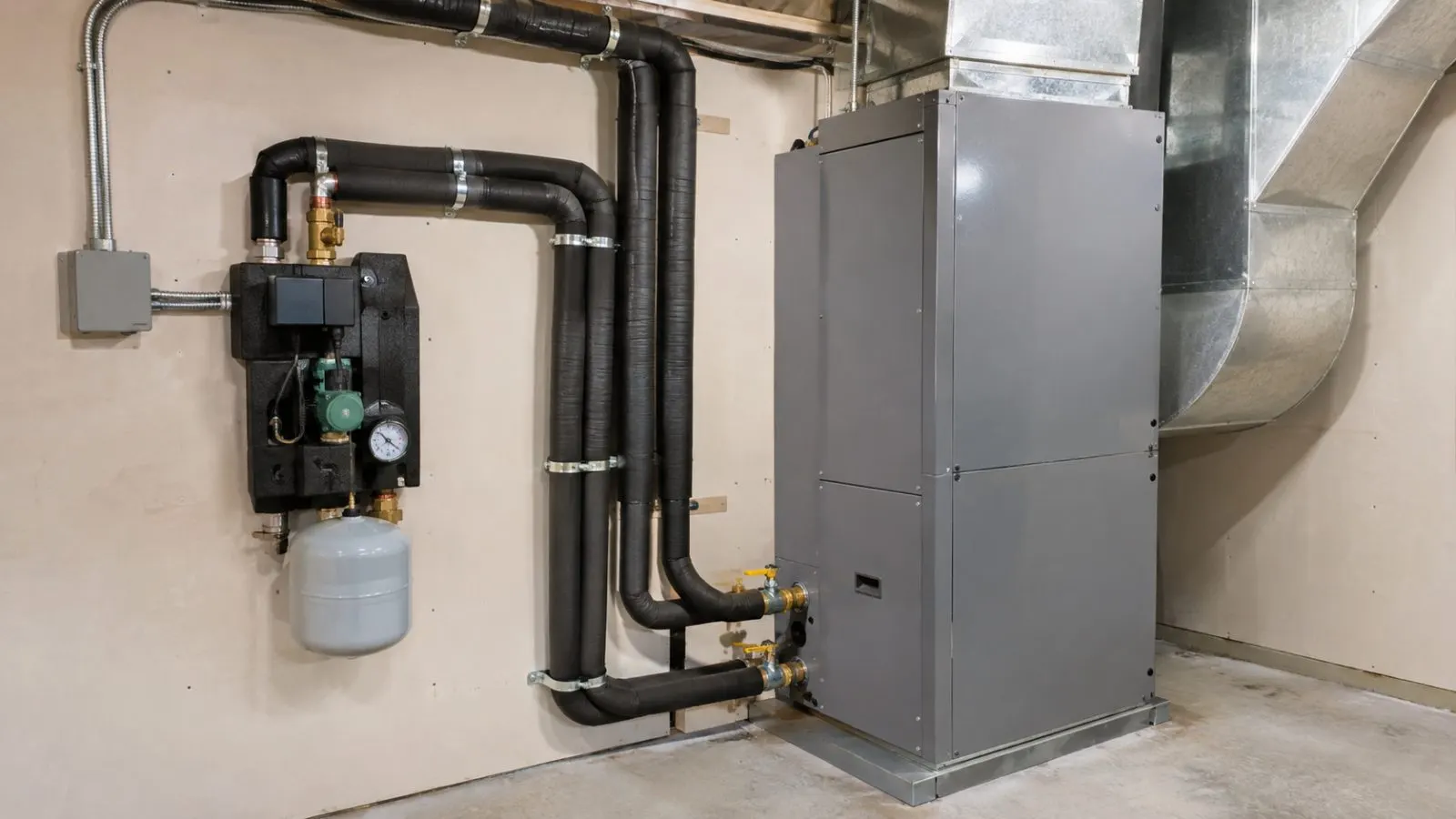
Ground loop performance must support the indoor heat pump, not simply occupy an available part of the lot.
Have questions about vertical geothermal loops or drilling feasibility? Describe your site and intended project.
Free — no obligations
Identify accessible areas, existing utilities, structures, and possible drilling limitations.
Use building demand and appropriate subsurface assumptions to determine the engineered borefield design.
Establish applicable permitting, drilling, and groundwater-related requirements before work begins.
Carry out drilling, pipe placement, borehole completion, and connections according to the project requirements.
Verify the installed loop and retain appropriate records for the mechanical system.
Depth depends on the design, site geology, building load, and borefield configuration. There is no single depth suitable for every Colorado Springs property. A site-specific design is necessary.
Rock does not automatically rule out drilling, but it can affect equipment selection, methods, and feasibility. The actual geology and access conditions need to be evaluated before recommending a borefield.
A conventional closed-loop vertical geothermal system circulates fluid through sealed piping and does not normally withdraw groundwater for heating and cooling. An open-loop system is different and may involve additional water rights and regulatory considerations.
Useful information includes property boundaries, building plans, buried utilities, wells, septic systems, access routes, and any available geological records. Final locations should be selected only after relevant constraints and approvals are addressed.
These public sources explain rules, rebates and ground conditions in our area: