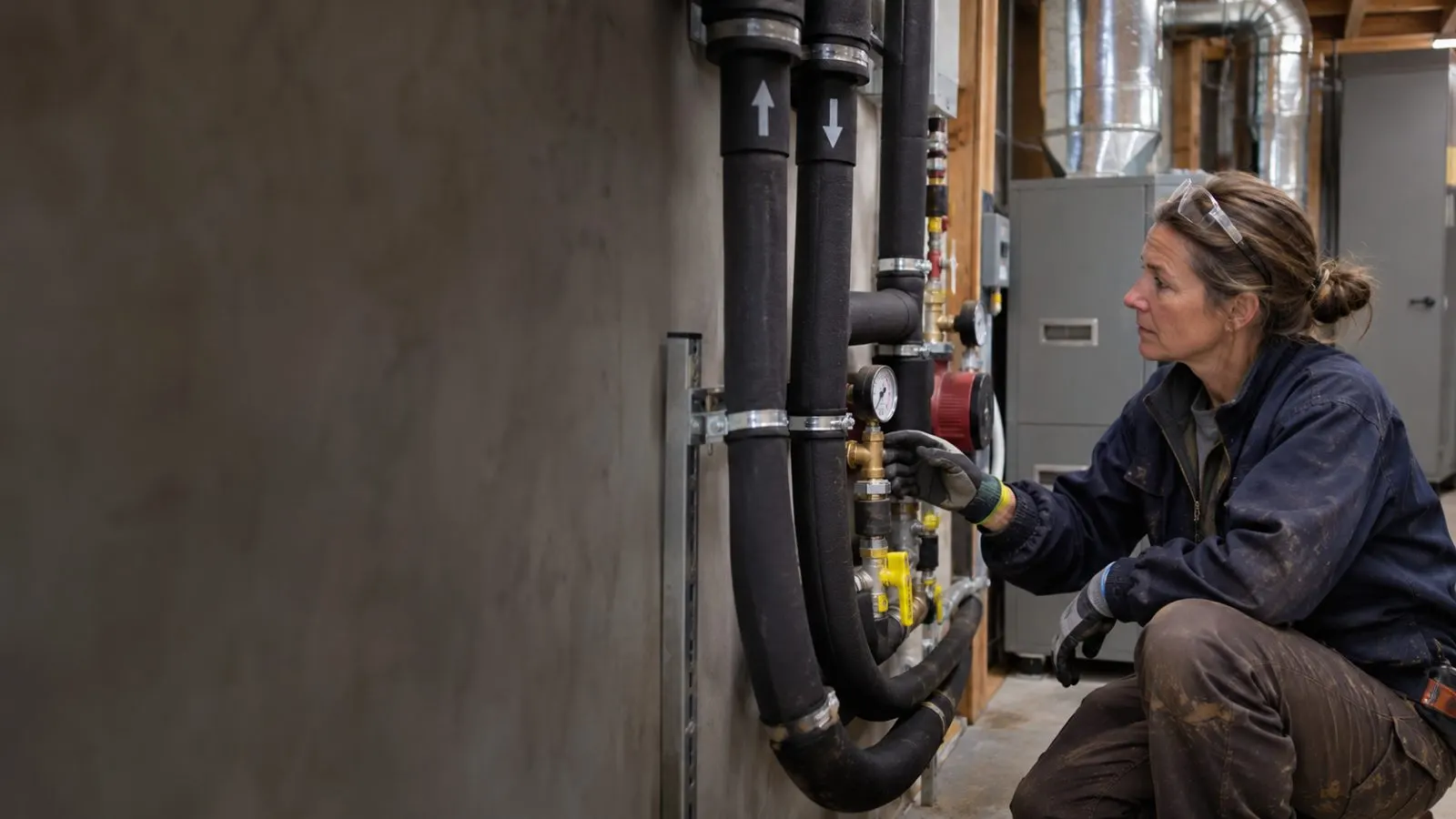
Complete Ground-Source System Planning
Geothermal Heat Pump Installation Services in Colorado Springs
Start with a clear evaluation of your home and property. Get a Free Estimate
Complete Ground-Source System Planning
Start with a clear evaluation of your home and property. Get a Free Estimate
Geothermal heat pump installation involves much more than replacing a furnace or air conditioner. The system must be matched to the heating and cooling demands of your home, connected to a properly designed ground heat exchanger, and commissioned for dependable operation. In Colorado Springs, that means considering high-elevation weather, variable ground conditions, building insulation, and the practical limits of your lot.
Geothermal Install in Colorado Springs focuses on helping homeowners understand the full installation process before committing to a system. We consider how the indoor equipment, underground piping, pumps, and distribution components work together. The objective is a practical system that supports indoor comfort without relying on guesswork.
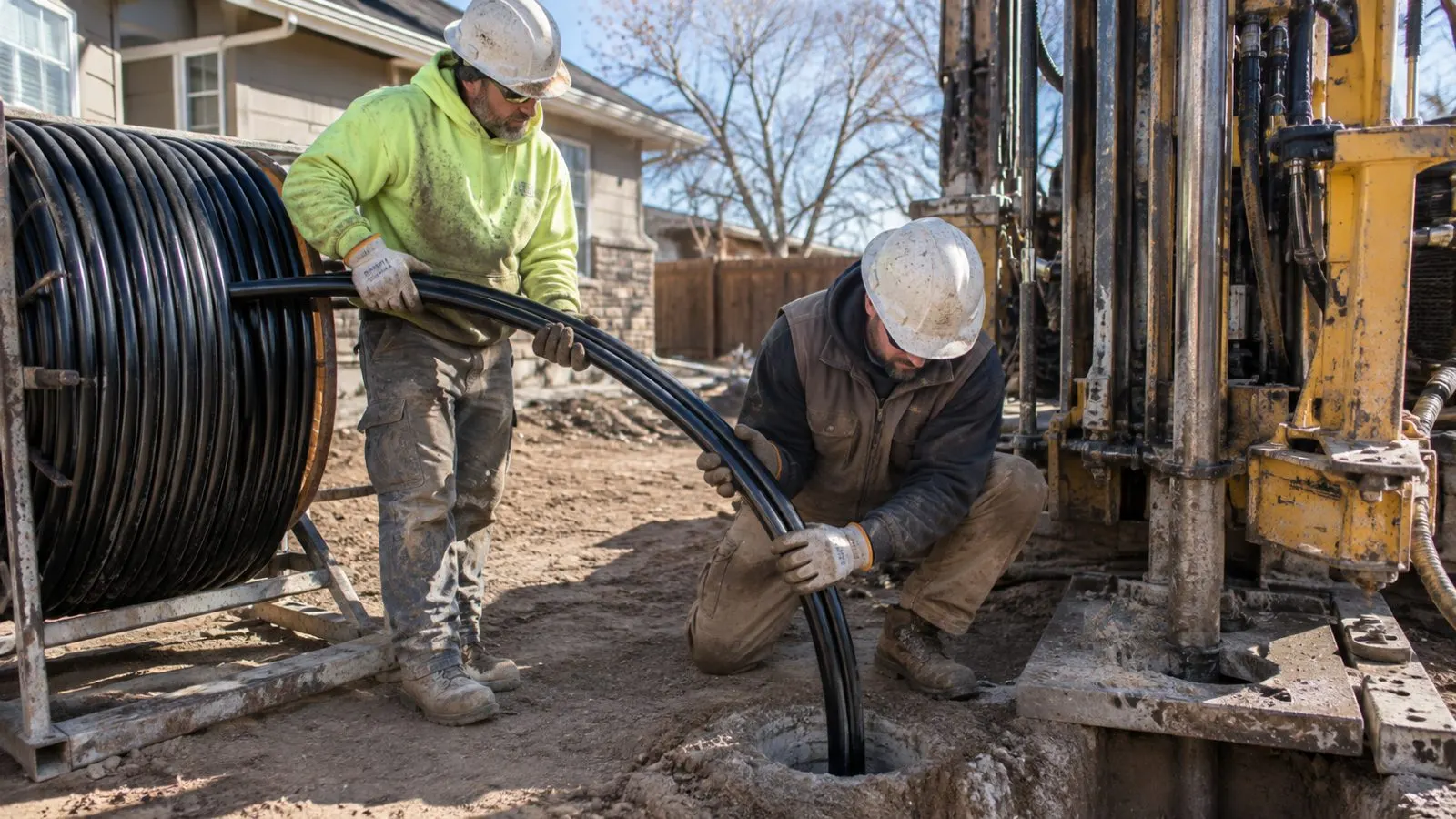
Every geothermal installation starts with a specific building and a specific piece of land. We look at the complete heating and cooling requirements and discuss how the system can be integrated into the property.
System sizing begins with the building. Floor area, insulation, windows, air leakage, layout, and local temperatures influence the capacity required. Proper calculations help avoid equipment that is too large or too small for the space.
The site may be evaluated for horizontal piping, vertical boreholes, or another appropriate engineered configuration. Available land, geology, access, and required heat exchange capacity determine which options warrant further investigation.
The heat pump must connect appropriately with the home's heating and cooling distribution system. Existing ductwork, controls, equipment space, and electrical requirements can influence the scope.
Ground work, mechanical connections, electrical work, testing, and inspections need to be sequenced correctly. Any work subject to local authorization should be addressed before construction begins.
Commissioning includes checking relevant operating conditions and verifying that heating, cooling, circulating fluid flow, and controls function as intended. Homeowners should understand the system before regular operation begins.
We consider the relationship between the building, ground loop, indoor equipment, and distribution system.
We explain the activities involved in ground work, mechanical integration, testing, and restoration.
We account for the property characteristics and Colorado heating demands that affect design.
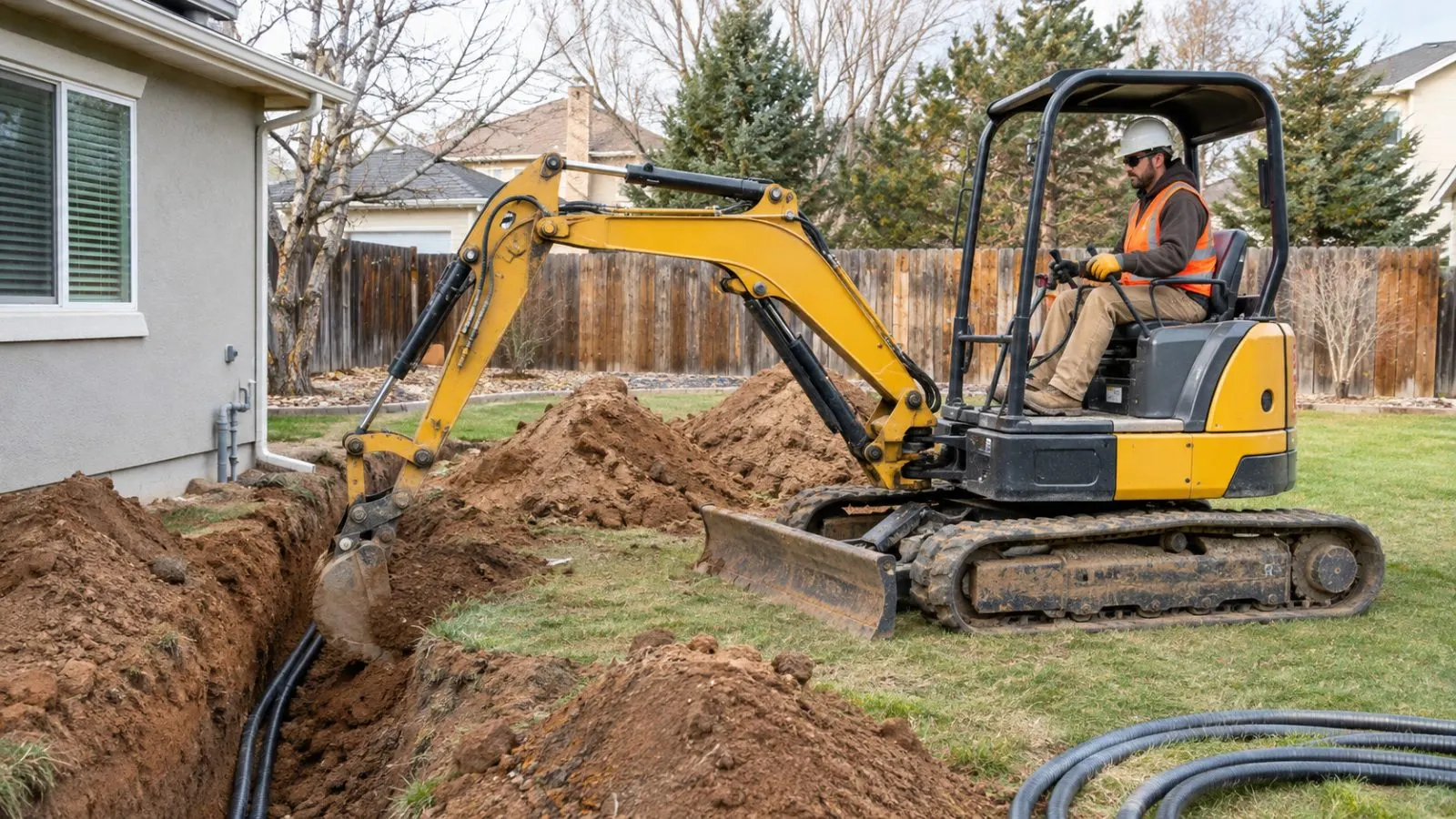
Find out what a complete geothermal installation would involve for your property.
Free — no obligations
We gather information about your home, existing system, comfort goals, and available outdoor space.
We consider load requirements, access, possible loop configurations, and any site limitations that need investigation.
Equipment, underground work, indoor connections, permissions, and responsibilities are addressed in the proposed project scope.
Applicable excavation or drilling, loop connections, mechanical work, and electrical activities are organized according to the approved plan.
Operating conditions are checked, controls are reviewed, and the homeowner receives an explanation of normal system use and maintenance.
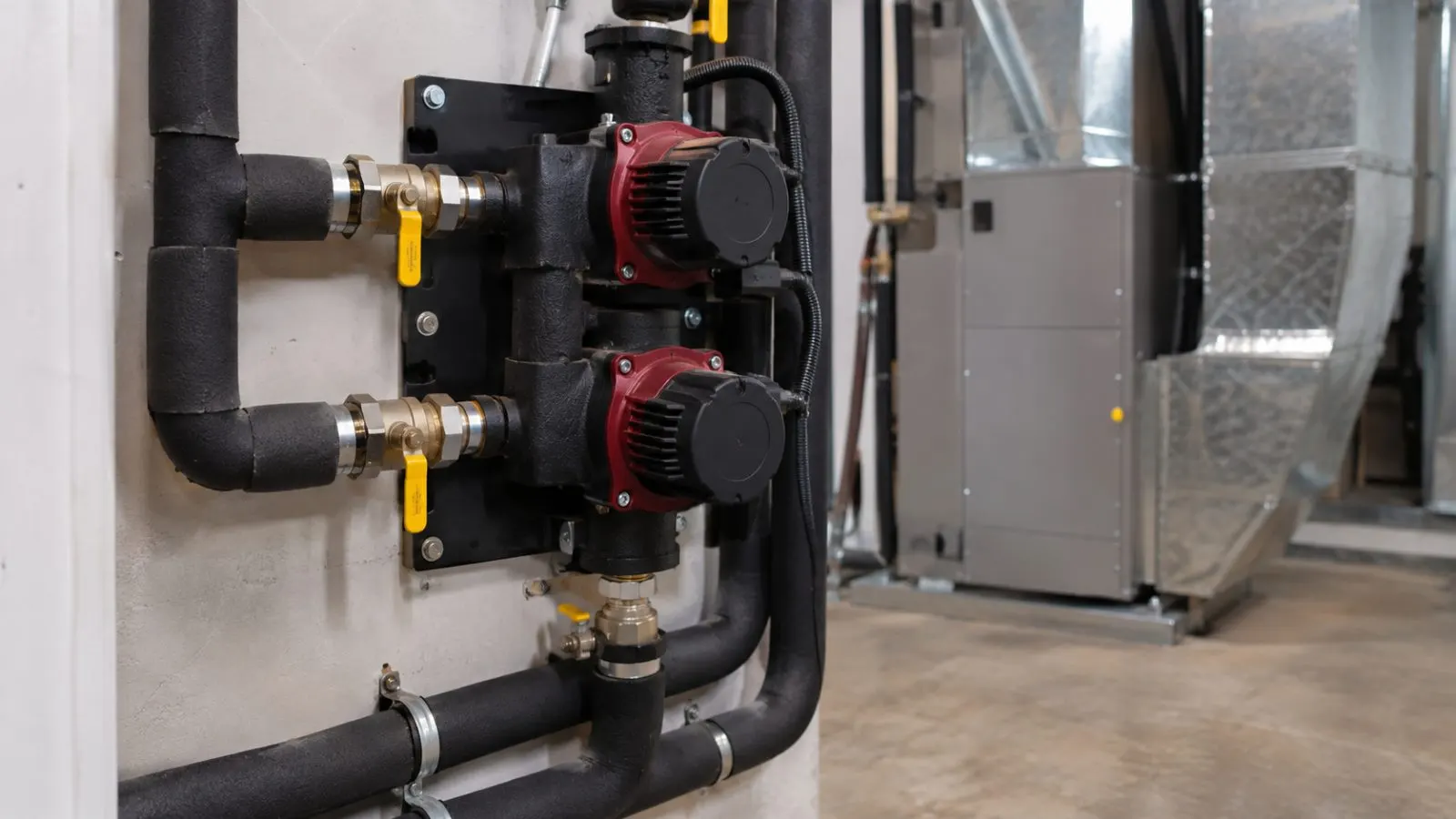
The required capacity is based on calculated heating and cooling loads rather than floor area alone. Insulation, windows, air leakage, local design temperatures, and distribution conditions all matter. Matching equipment and ground loop capacity is essential.
Some installations need dedicated circuits, control wiring, or electrical upgrades. The exact requirements depend on the selected equipment and the existing electrical system. These needs should be identified during planning.
The system should undergo commissioning and operational checks. Controls, maintenance requirements, and documentation should be reviewed with the homeowner before normal use.
Sometimes. Existing ducts must be evaluated for airflow, capacity, condition, and compatibility with the proposed equipment. Modifications may be necessary to deliver the intended comfort.
These public sources explain rules, rebates and ground conditions in our area: