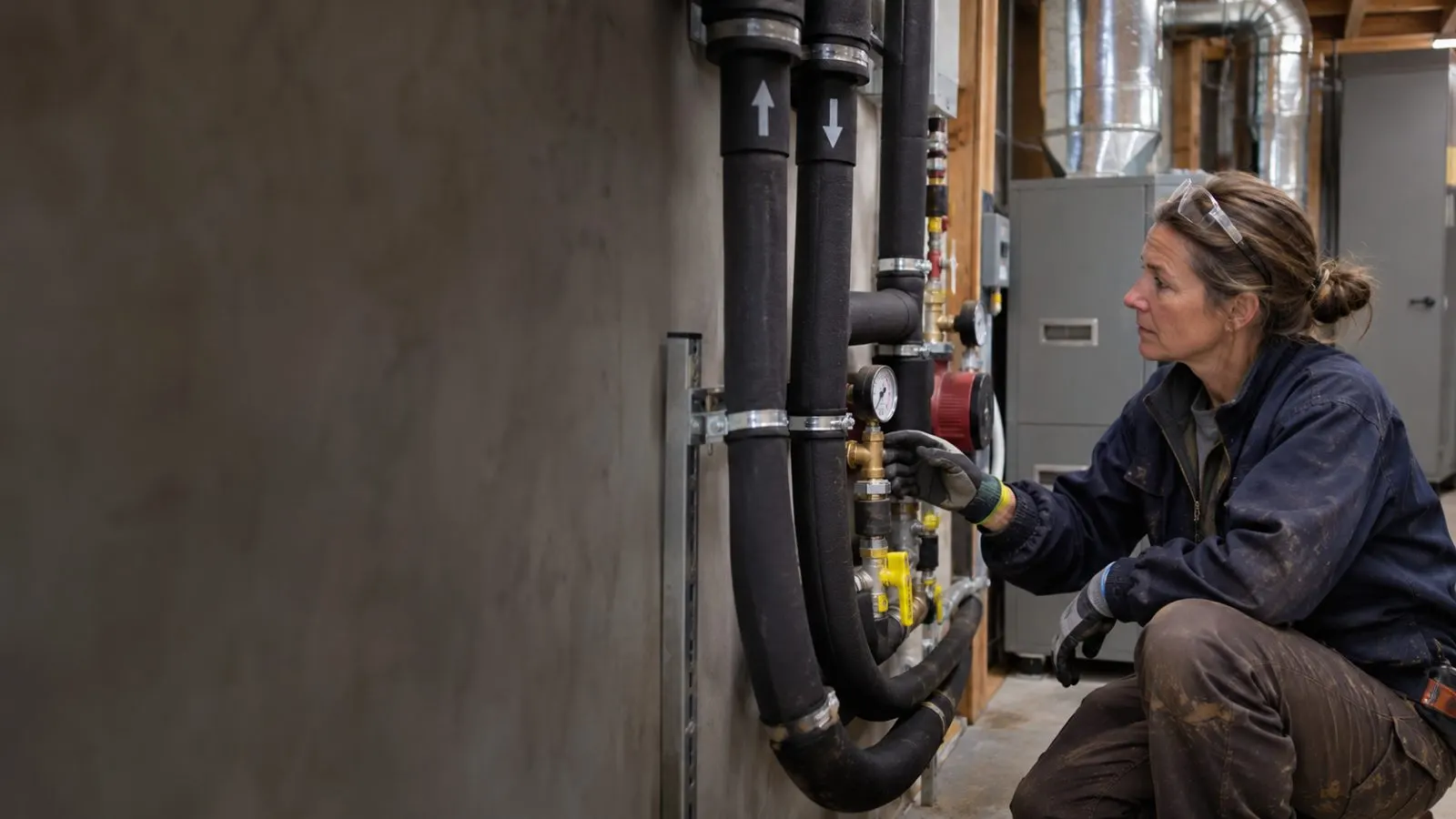
Geothermal Heating and Cooling in Colorado
Geothermal Heat Pump Installation in Colorado Springs, Colorado
Find out whether geothermal makes sense for your property. Get a Free Estimate
Geothermal Heating and Cooling in Colorado
Find out whether geothermal makes sense for your property. Get a Free Estimate
If you are considering geothermal heat pump installation in Colorado Springs, Colorado, you probably want more than another heating and cooling system. You want reliable comfort through freezing winter nights, warm summer afternoons, and the changing conditions that come with living along the Front Range. At Geothermal Install in Colorado Springs, we focus on helping homeowners understand how geothermal technology works, what installation involves, and whether their property is a good candidate.
A geothermal heat pump uses the relatively stable temperatures below the ground to move heat into your home during winter and remove it during summer. Unlike traditional systems that rely on outdoor air for heat exchange, a ground-source system connects to a buried loop. The result can be efficient, consistent heating and cooling when the equipment, ground loop, and home are properly matched. We help evaluate those pieces before recommending a direction.
Colorado Springs is not a one-size-fits-all place to install a heating and cooling system. A house near downtown may have a compact yard and older ductwork. A newer home in Briargate may offer different opportunities for equipment placement. Properties near Black Forest and the northern edges of the city may have more available land but also different soil, rock, access, and utility considerations. We approach each situation by looking at the actual building and site rather than relying on a generic installation plan.
Our view is straightforward: a geothermal system should be designed around the comfort needs of the people living in the home. That means discussing heating loads, cooling needs, insulation, ground loop options, installation disruption, and long-term maintenance. We want customers to understand the important decisions before work begins, including the reasons a particular design may or may not be appropriate.
More about us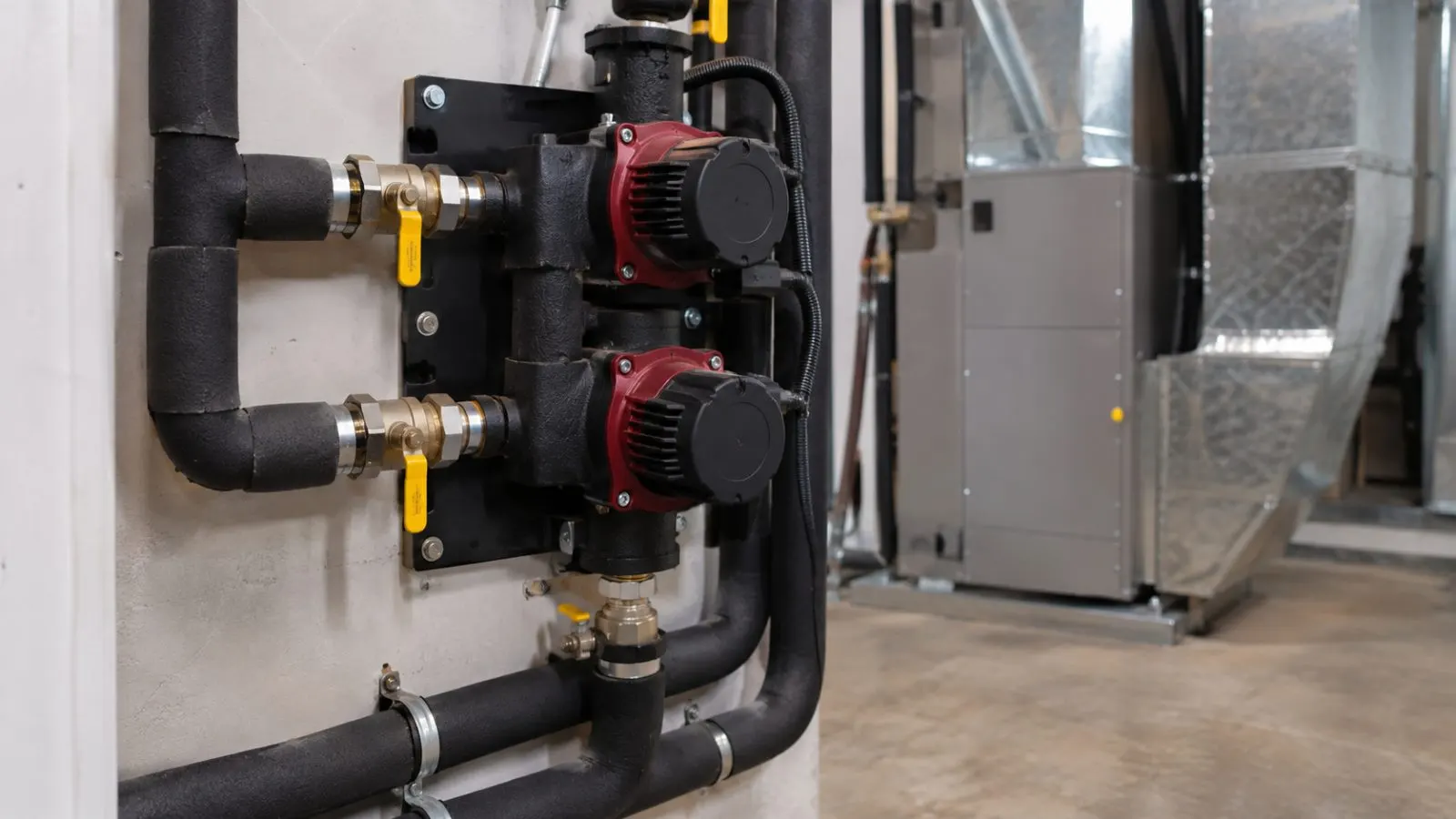
We focus on the full geothermal decision, from the first property evaluation to ground loop installation, equipment planning, existing-home conversions, new construction, troubleshooting, and financial incentive research.
Explore properly designed geothermal heating and cooling systems built around your home's needs and property conditions.
Learn more →Consider a geothermal conversion for your existing home with careful planning around equipment, ductwork, and outdoor access.
Learn more →Plan geothermal heating and cooling early so ground loops, equipment, and home design work together.
Learn more →Explore vertical boreholes, site access, subsurface conditions, and ground loop planning for geothermal systems.
Learn more →Investigate geothermal comfort problems, system faults, circulation issues, and ongoing maintenance needs.
Learn more →Understand the project factors, operating considerations, and incentive rules that influence geothermal planning.
Learn more →Our service area includes Colorado Springs, Monument, Black Forest, Falcon, Peyton, Woodland Park, and Fountain. Each community has different housing patterns, elevations, lot sizes, and construction conditions. Those differences matter when assessing whether a horizontal ground loop, vertical borefield, or another configuration could work.
Whether you are renovating a home near the Broadmoor, planning construction east of Powers Boulevard, or exploring efficient heating for a property in the mountains west of town, the starting point is the same: understand your heating needs and investigate the site's practical limitations. Share the details of your property so we can discuss the next steps.
See all service areas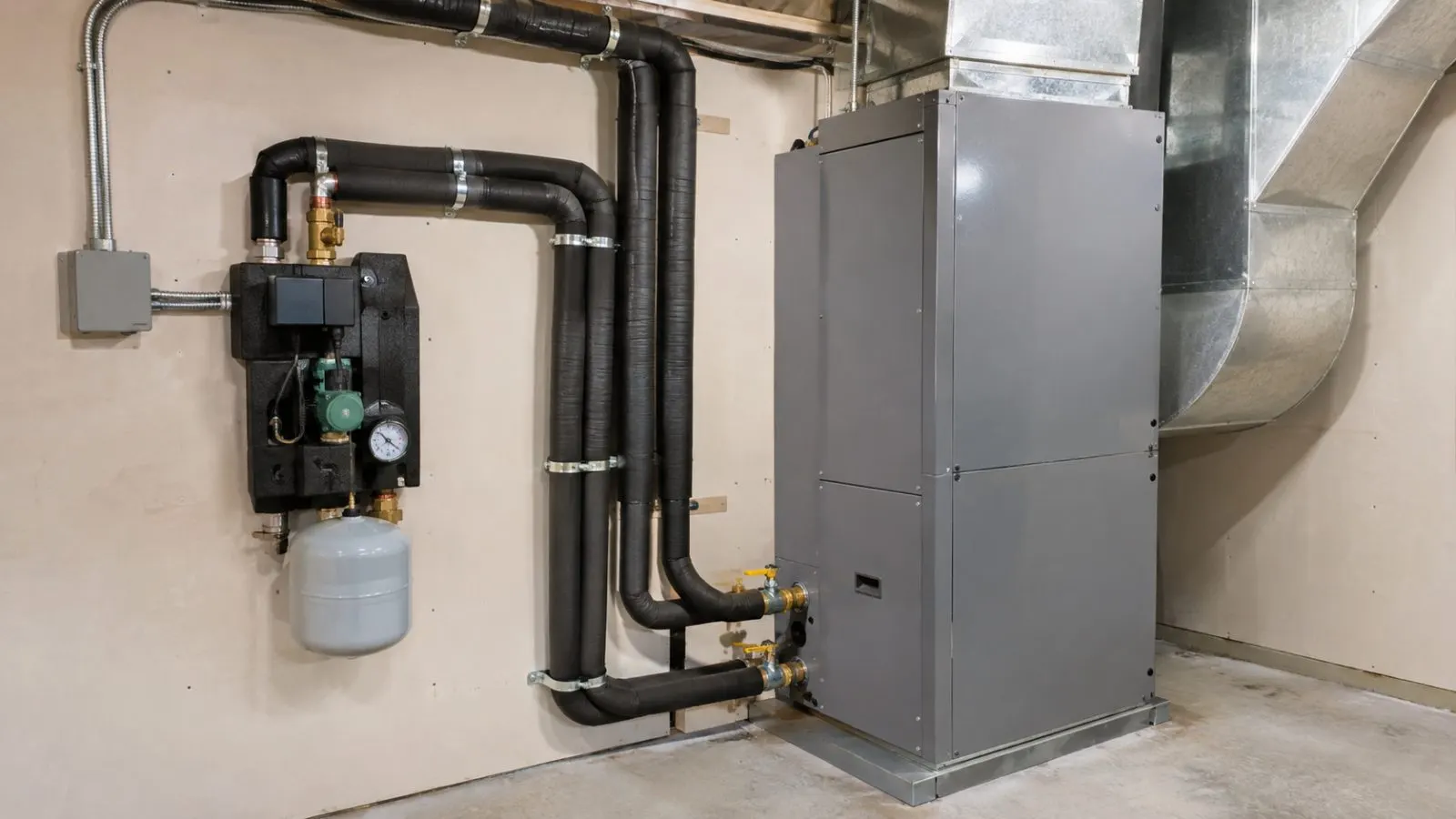
We concentrate on ground-source heating and cooling considerations, including heat pump selection, loop configuration, and how the equipment connects with the building.
We consider available land, access, ground conditions, construction type, and existing heating infrastructure before discussing installation options.
We explain the installation stages, likely disruptions, equipment requirements, and open questions in everyday language.
Heating performance, winter design conditions, elevation, and building insulation are important parts of planning systems for the Pikes Peak region.
We consider maintenance access, equipment compatibility, and future service needs rather than focusing only on the initial installation.
A geothermal system is not the right answer for every property. We believe customers should understand the tradeoffs and alternatives.
Geothermal heating and cooling relies on a simple idea: temperatures several feet below the ground are generally more stable than outdoor air temperatures. A geothermal heat pump uses this difference to transfer heat between your house and the earth. During winter, the equipment extracts available heat from a circulating fluid and delivers that energy into the building. During summer, the process reverses and moves unwanted indoor heat into the ground.
The system typically includes three major components: the indoor heat pump, the ground heat exchanger, and the distribution system that moves conditioned air or water through the home. Those components must work together. A well-installed ground loop cannot make up for poorly selected equipment, and an efficient heat pump cannot perform as intended if the loop is inadequately designed.
Before deciding how the underground portion should be installed, we look at the building itself. Living space, insulation, window performance, air leakage, ductwork, and expected indoor temperatures all influence heating and cooling demand. Proper load calculations help determine the equipment capacity needed for the actual house.
An older home in Colorado Springs might benefit from air sealing or duct improvements before a geothermal conversion. A newly designed house may allow those details to be coordinated before construction begins. Either way, equipment sizing should be based on the building rather than simply matching the capacity of an existing furnace.
A horizontal ground loop uses buried piping installed in trenches or another engineered configuration where suitable land and soil conditions exist. A vertical loop uses drilled boreholes, which can be useful when yard space is limited. The appropriate choice depends on the heating and cooling loads, geology, available area, drilling access, and applicable approvals.
After the design and required approvals are addressed, the installation sequence generally includes excavation or drilling, loop placement, pressure testing, connection piping, indoor equipment installation, electrical and distribution-system work, commissioning, and site restoration.
A geothermal installation involves more than putting equipment in place. We believe homeowners should understand what will happen on their property, how the system will be tested, and what to expect once it begins operating.
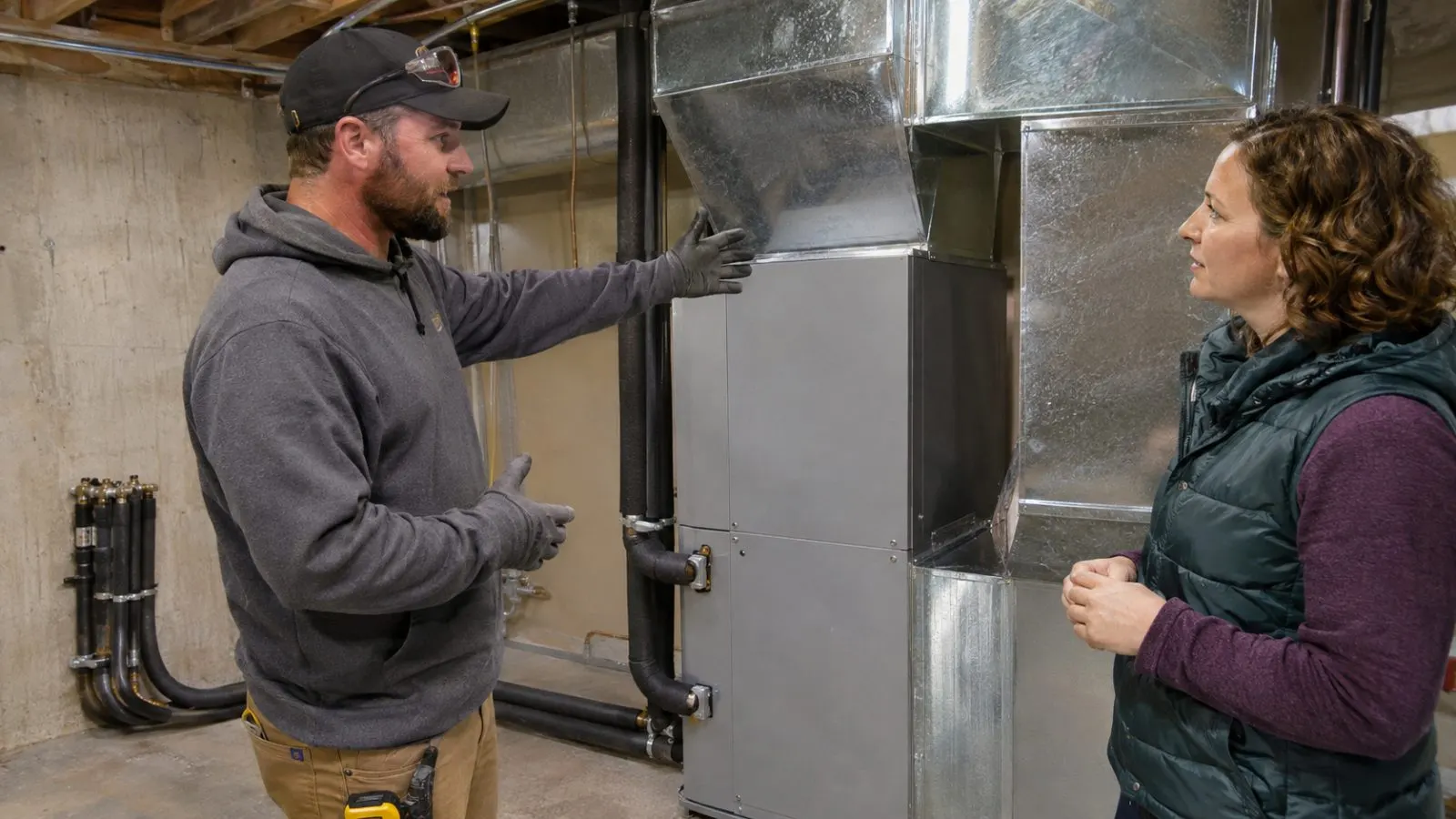
Many homeowners first investigate geothermal when an aging furnace, air conditioner, or heat pump begins requiring more attention. If your heating system struggles on cold mornings, cycles frequently, or needs repeated repairs, it may be worth comparing a conventional replacement with a ground-source alternative before committing to new equipment.
The best time to consider geothermal is often before an urgent breakdown. A new system requires planning beyond the mechanical room, including examination of the property, possible ground work, and coordination with permitting and installation activities. Giving yourself time to investigate options usually creates a more informed decision.
Uneven room temperatures can make daily life frustrating. A basement may remain cold while upper bedrooms feel warm. Rooms with large west-facing windows may become uncomfortable during sunny afternoons. Some homes have ductwork that was never designed to distribute air evenly.
Geothermal equipment can provide steady heating and cooling, but it does not automatically correct every comfort problem. Poor airflow, inadequate insulation, and oversized or undersized equipment can still affect performance. We look at the system as a whole so the underlying causes are not overlooked.
Homeowners exploring electrification, remodeling, or long-term ownership may also consider geothermal. Because the heat pump moves energy instead of creating heat through combustion, it can offer efficient heating and cooling when correctly designed. Actual electricity use and operating results depend on local conditions, the system, and how the home is used.
Geothermal is especially worth investigating when you have sufficient property access, an opportunity to coordinate construction, and a clear understanding of the initial site work involved.
There are also cases where another heating and cooling approach may be more practical. Tight access, difficult subsurface conditions, major distribution-system changes, or project timing may affect the decision. Our goal is to help sort through those factors before installation becomes a commitment.
If your equipment is aging or you are planning a substantial home improvement, we can discuss what information is needed to evaluate geothermal.
One of the biggest differences between geothermal projects is what must happen below the surface. Soil composition, rock, groundwater conditions, and the depth or length of the required ground heat exchanger all influence installation complexity. Two houses with similar floor plans can require substantially different site work.
Access matters as well. A wide, open lot may provide room for equipment and possible trenching. A developed city property might have fences, patios, landscaping, underground utilities, and limited entry points for excavation or drilling machinery. Evaluating these obstacles early helps identify the work that may be necessary before installation starts.
A larger house does not always need a proportionally larger system. Insulation, window quality, air sealing, solar exposure, and occupant preferences influence demand. Accurate heating and cooling calculations are essential because improper sizing can create comfort or efficiency problems.
The type of geothermal heat pump, the distribution system, the number of zones, and any required electrical changes also affect project scope. An existing home may need duct modifications or other upgrades. A new build may offer opportunities to incorporate these requirements directly into the construction plan.
When comparing proposals, homeowners should determine exactly what is included. Ground loop installation, drilling or excavation, piping, interior mechanical work, control systems, startup testing, permits, inspection coordination, and restoration may be handled differently from one proposal to another.
The lowest initial proposal is not necessarily the clearest or most complete. It is useful to ask whether loop design calculations are documented, how unexpected ground conditions are handled, and what responsibilities remain with the homeowner.
Colorado heat pump incentives may involve state programs, utility offerings, and other eligibility rules. Program requirements can change, and not every geothermal installation qualifies. Federal treatment also depends on the applicable tax law and project timing. Incentives should be confirmed through current official guidance and a qualified tax professional rather than assumed during budgeting.
We recommend evaluating both the construction scope and expected long-term operation. A meaningful estimate begins with real property information, not a generic figure.
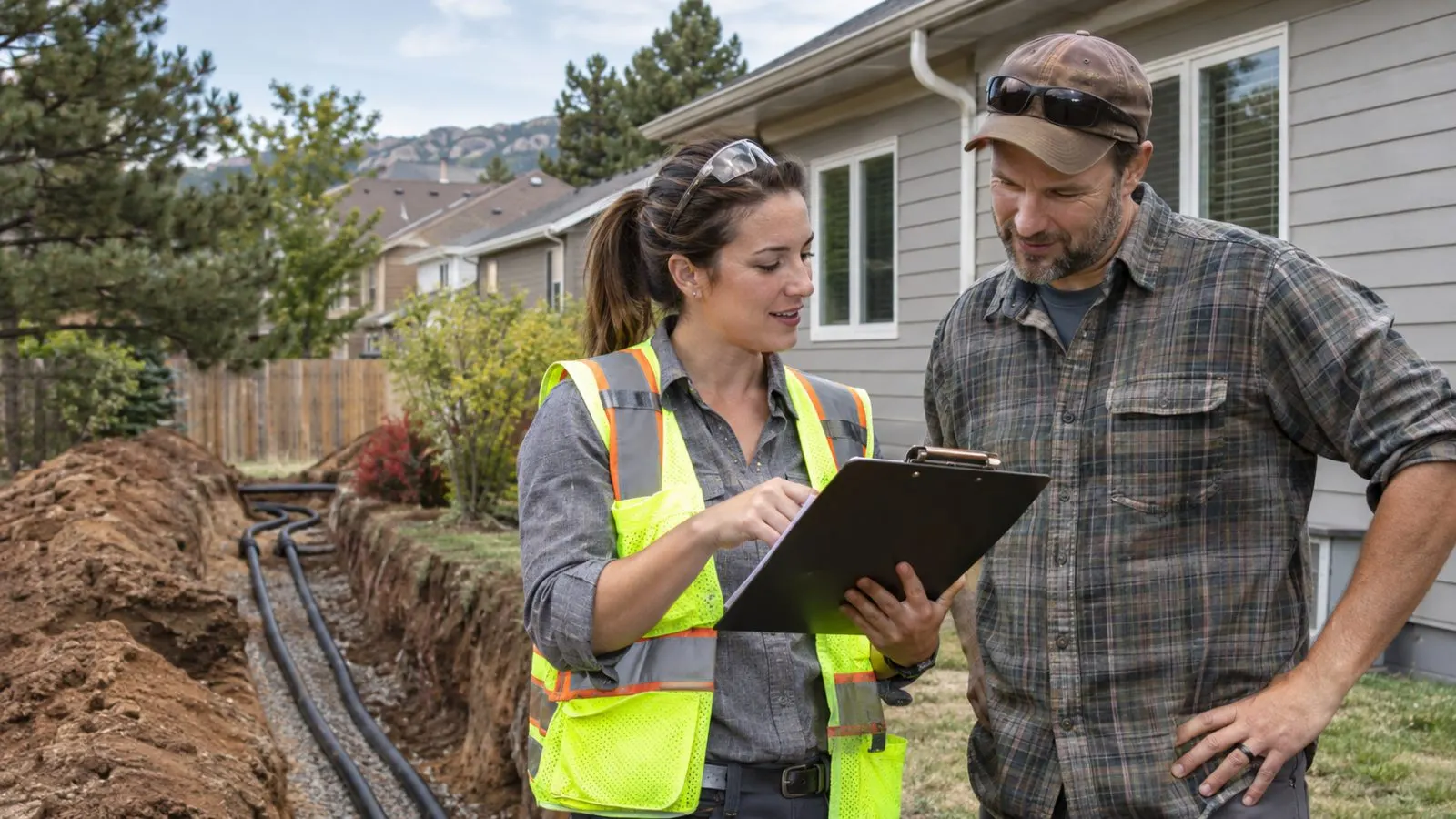
Colorado Springs has cold winters, strong sunshine, occasional heavy snow, and considerable temperature changes between seasons. High elevation and relatively dry air also influence building comfort. A geothermal system serving a home here needs to meet winter heating demand while providing appropriate cooling during the warmer months.
The ground generally changes temperature more slowly than outdoor air, which is why it can serve as a useful heat exchange resource. That benefit does not remove the need for careful design. Ground loop length, circulating fluid conditions, pumping requirements, and building demand still determine how the system performs.
Around the Pikes Peak region, properties vary from developed urban neighborhoods to wooded foothills and open prairie. Some sites may involve shallow bedrock, varying rock formations, compacted ground, or difficult equipment access. The presence of space on a lot does not guarantee that a particular loop design will be practical.
A lot in Stetson Hills may raise different questions than acreage in Black Forest. A home near the foothills can have slope and access concerns. Sites closer to the eastern plains may provide more open working room but still need careful subsurface assessment.
We do not treat neighborhood names as substitutes for geological information. Actual site conditions should guide any drilling or excavation recommendation.
Buried utilities, drainage, irrigation systems, trees, driveways, septic facilities, and existing structures can affect loop placement. These features should be identified and accounted for during planning. Local approvals and any applicable drilling or groundwater requirements also need to be established before work proceeds.
For homeowners, landscaping and access are often just as important as the underground engineering. We believe the plan should explain where equipment may operate, which areas may be disturbed, and what restoration responsibilities are included.
A geothermal project succeeds when both the building and site are understood. That is why we begin with the conditions of the actual property rather than presenting one standard solution for every Colorado address.
When you interview companies about geothermal heat pump installation, ask how they determine the right system for your house. The equipment brand is only one part of the decision. Building-load calculations, ground loop design, installation methods, and commissioning procedures have a major influence on the final result.
A useful conversation should include the reason a certain loop configuration is being considered, how the heating and cooling capacity will be established, and what assumptions the design depends on. If your property has unusual terrain or limited space, the company should explain how those conditions will be investigated.
Geothermal work can involve several specialties, including mechanical installation, electrical work, excavation, drilling, and system controls. Ask which activities the company performs, which may involve subcontractors, and who coordinates them.
Before signing an agreement, verify that the responsible parties hold the licenses or registrations required for their work and that the project can meet applicable permitting and inspection requirements. Do not assume that expertise in conventional air conditioning automatically includes ground loop design experience.
Written proposals should make the installation boundaries understandable. Look for explanations of equipment selection, ground loop work, distribution-system changes, controls, testing, restoration, and warranty responsibilities. Ask how the company documents any changes that become necessary after work begins.
It is also reasonable to request a clear account of the commissioning process. A geothermal system should be checked for appropriate flow, operating temperatures, electrical performance, and correct heating and cooling operation according to the equipment and design requirements.
You will want access to information about filter maintenance, controls, periodic inspections, and what to do if performance changes. Ask how documentation will be supplied and who can diagnose problems later.
At Geothermal Install in Colorado Springs, we believe informed customers make better decisions. Our approach is to discuss the property, explain the practical choices, and identify what needs verification before anyone commits to a design.
If you are comparing geothermal options, start by telling us about your current heating system, your home, and the kind of improvement you want to make.
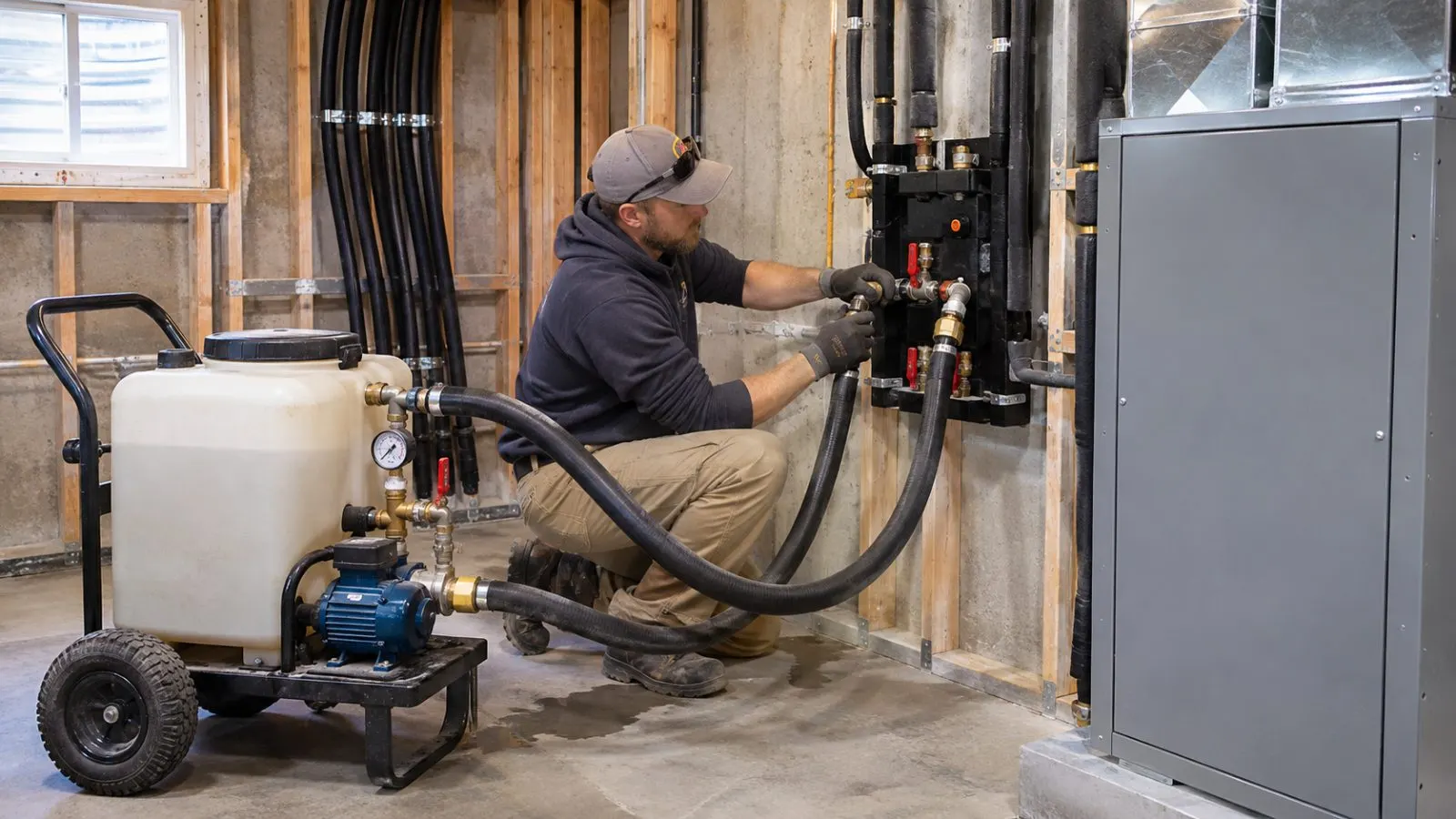
A productive geothermal discussion begins with your reasons for considering the system. Perhaps you want to replace aging heating equipment, plan an efficient new home, reduce dependence on combustion-based heating, or improve comfort in rooms that have always been difficult to condition.
We also want to know the property's approximate size, construction type, existing equipment, and available outdoor space. These details do not replace an evaluation, but they help identify the questions that matter most.
A proper assessment considers heating and cooling loads alongside potential ground loop locations. Existing ductwork, electrical capacity, utility paths, lot boundaries, access restrictions, and nearby structures may all shape the installation.
On an occupied property, disruption should be discussed before ground work begins. Trenching or drilling can affect parts of a yard, and equipment may require temporary access routes. The project scope should identify expected impacts and the extent of included restoration.
Once the required information is available, the proposed system can be defined. Important details include heat pump capacity, loop configuration, circulating fluid requirements, interior connections, controls, and startup procedures.
Approvals, inspections, utility coordination, and any necessary specialist involvement should be addressed as part of the project plan. It is also wise to discuss possible complications, such as unexpected rock or buried obstructions, and how changes will be documented.
The installation process brings the ground and indoor systems together. Once the piping and equipment are installed, testing and commissioning help confirm that the system operates as designed. Homeowners should receive an explanation of basic controls, maintenance needs, and the operating behavior they can expect.
Filters, pumps, controls, and mechanical components still require attention. The buried heat exchanger is generally designed for long service life, but its actual performance and longevity depend on proper construction and conditions.
Our aim is to make geothermal less mysterious. Good planning, understandable documentation, and realistic expectations are valuable before, during, and after installation.
Yes, a properly designed ground-source system can provide heating in cold climates because it exchanges heat with the ground rather than relying directly on freezing outdoor air. The system must be sized for the home's winter heating load and local design conditions. A site and building assessment is needed to determine suitability.
Yes. Most residential geothermal heat pumps can reverse the heat transfer process to provide cooling as well as heating. Cooling performance depends on the equipment, distribution system, ground loop design, and indoor requirements.
Ground loop installation usually involves some outdoor disturbance from excavation, drilling, equipment access, or piping connections. The affected area depends on the loop type and property layout. Restoration responsibilities should be clarified before construction begins.
Useful information includes your home's approximate floor area, existing heating and cooling equipment, construction details, and any available utility records. A property survey or information about wells, septic systems, and underground utilities may also help.
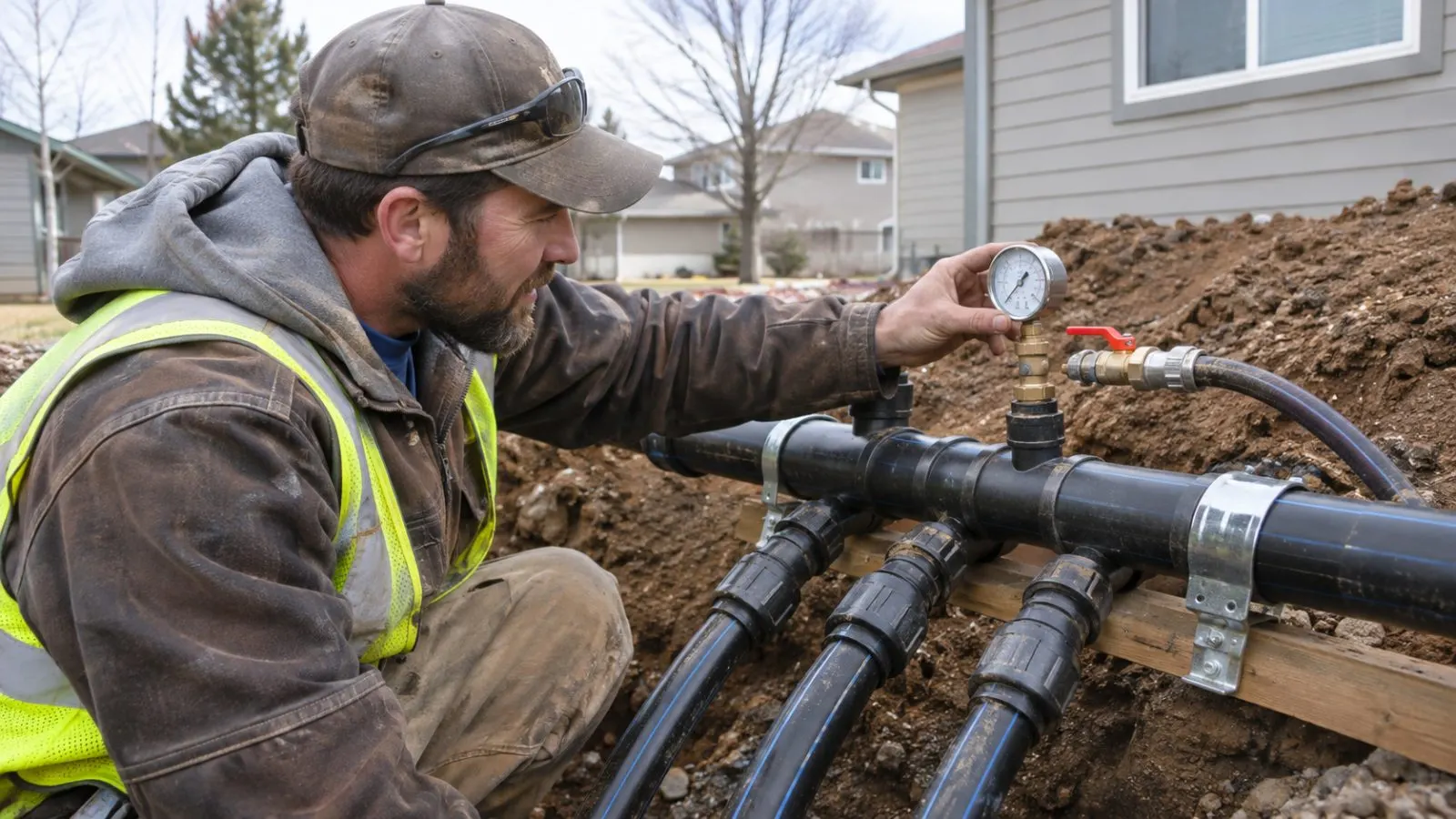
Explore geothermal heating and cooling for your Colorado Springs property. Tell us what you are planning, and we can discuss the information needed to move forward.
Free — no obligations
These public sources explain rules, rebates and ground conditions in our area: