Rural Eastern Plains Geothermal Planning
Geothermal Heat Pump Installation in Peyton
Discuss geothermal for your rural home or building site. Get a Free Estimate
Rural Eastern Plains Geothermal Planning
Discuss geothermal for your rural home or building site. Get a Free Estimate
Peyton sits farther east of Colorado Springs, where open land, agricultural properties, and rural residential development are part of everyday life. Around the Peyton Highway corridor and areas near the small historic community center, houses can be separated by substantial distances. Many properties have different infrastructure arrangements from urban neighborhoods, making site planning a central part of any geothermal discussion.
Open acreage may create opportunities to investigate horizontal ground loops, but that possibility should not be mistaken for a completed design. Soil and rock conditions, land use, buried utilities, drainage, and the required ground heat exchange capacity must still be evaluated. Even a large parcel can have areas that are unsuitable for excavation.
Rural houses also vary considerably in age and construction. Some have conventional forced-air systems, while others may rely on different heating arrangements or have undergone additions over time. The current heating method is useful background, but a geothermal conversion requires its own load assessment and distribution review.
On the eastern plains, exposure to winter winds and summer sunshine can affect indoor comfort. Building tightness, insulation, window placement, and ventilation all influence heating and cooling demand. We want to understand those factors before discussing heat pump capacity or underground loop requirements.
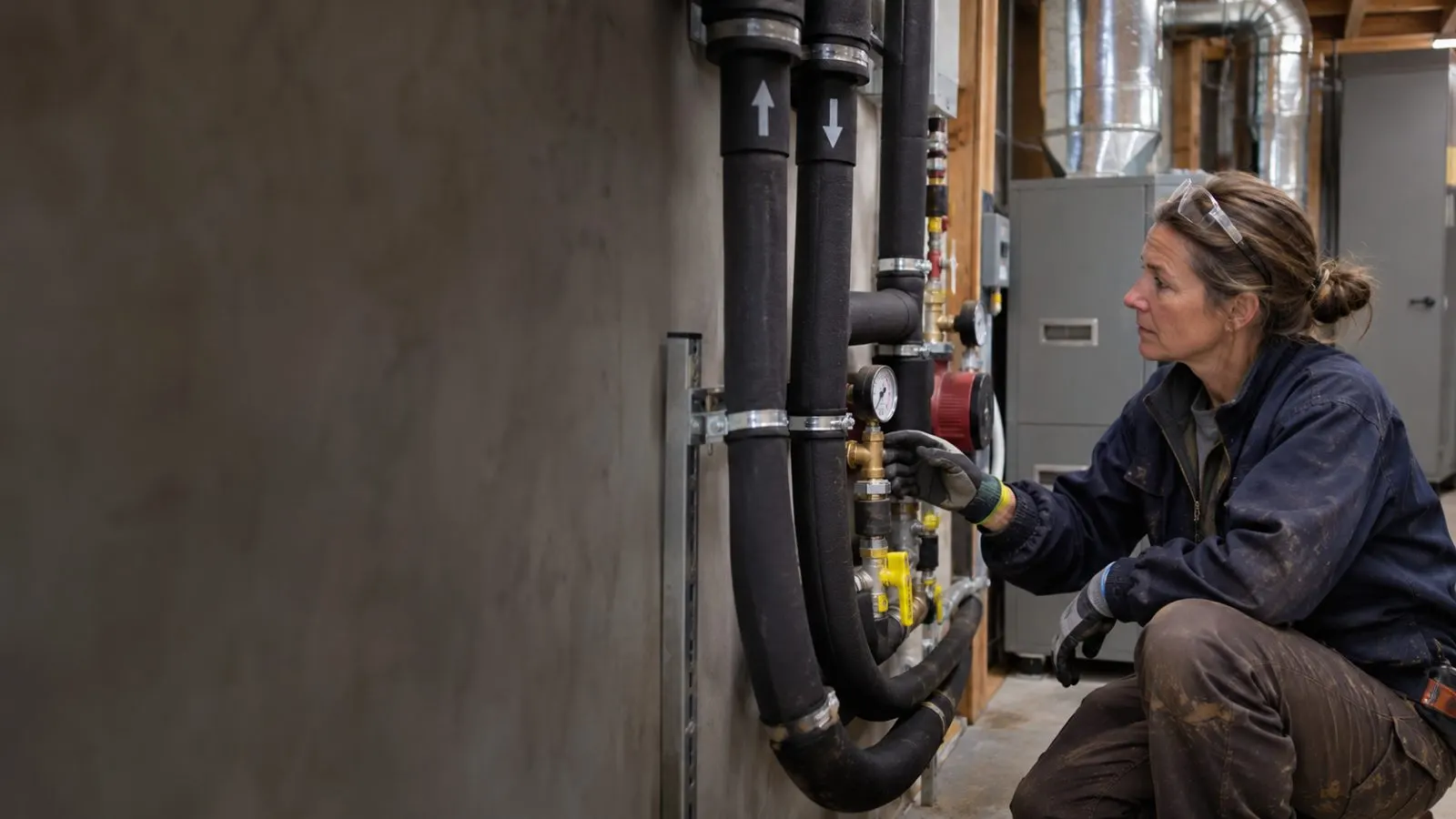
Private wells, septic systems, utility lines, fences, livestock areas, and outbuildings can all influence the installation plan on a rural property. Some homeowners also have long driveways or remote mechanical spaces that require additional coordination. These practical details matter when determining where machinery can operate and where permanent piping might run.
Peyton can also be an appealing area for custom home construction. When a new home is still in the planning stages, geothermal requirements can be considered during site layout. Potential loop areas, future buildings, driveway access, and mechanical equipment space can all be coordinated before construction creates obstacles.
For an existing home, we encourage thinking about comfort improvements along with the heating equipment itself. If insulation or air leakage problems are contributing to high heating demand, resolving those issues may improve the overall result and influence the system design.
Geothermal may be a practical option for some Peyton properties, but the decision should begin with an understanding of the land and the building. If you are considering geothermal for an acreage home, call +1 719-497-1116 or share your project details so the relevant questions can be reviewed.
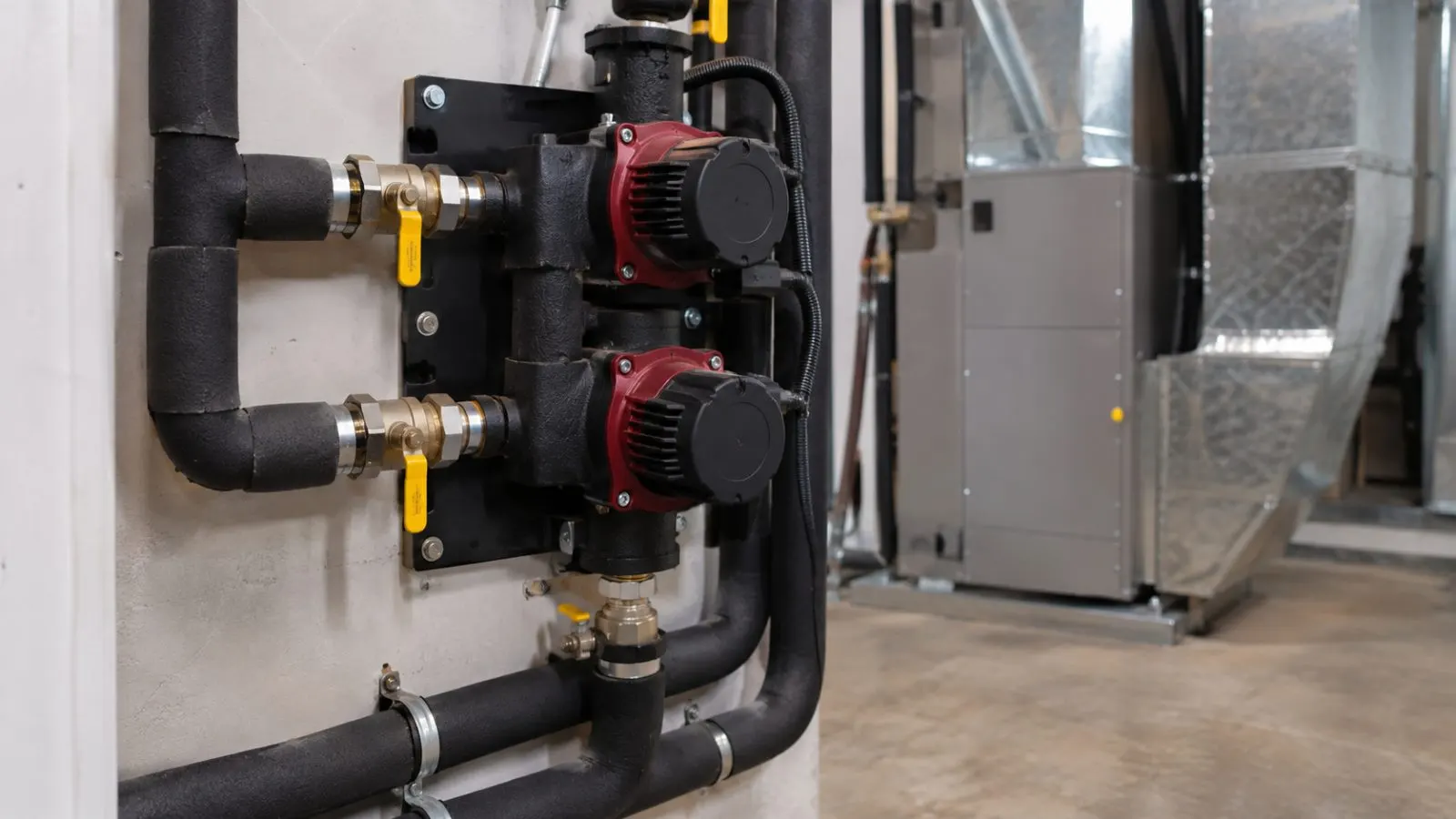
We consider how existing and future land uses can influence ground loop placement.
We recognize the importance of private infrastructure and long utility routes.
We account for building condition and weather exposure before discussing equipment requirements.
Additional space may expand the possible loop configurations, but it does not guarantee easy installation. Ground characteristics, equipment access, utilities, and thermal design requirements remain important.
Possible loop routes need to account for land use, future excavation, fencing, heavy equipment, and appropriate protection of buried infrastructure. An engineered site plan should address the intended activities on the property.
It may be, but the entire conditioned space should be evaluated. Additions can change heating loads, airflow needs, and distribution requirements. Existing equipment size alone is not a reliable basis for the new design.
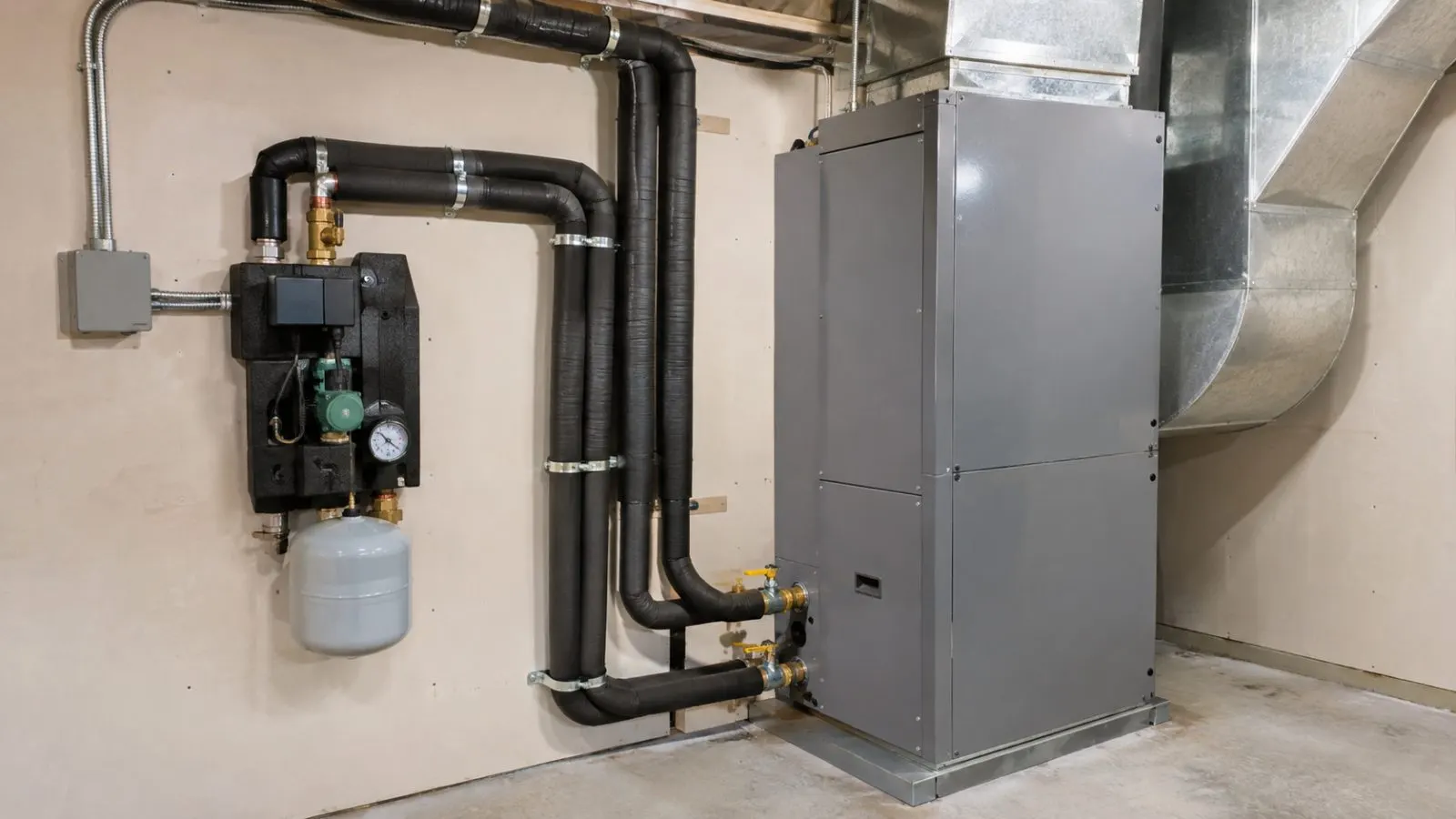
Planning an efficient heating system for Peyton acreage or a new rural home? Start with a property conversation.
Free — no obligations